Historical & Cultural Significance
Sagarmatha National Park was established on July 19, 1976. It was recognized as Nepal's first national park. The park was created to conserve the endangered wildlife and the cultural heritage of the Sherpa community.
Due to its unique geological features, beautiful environment, and biodiversity, the park was inscribed as a unesco world heritage site in 1979 AD.
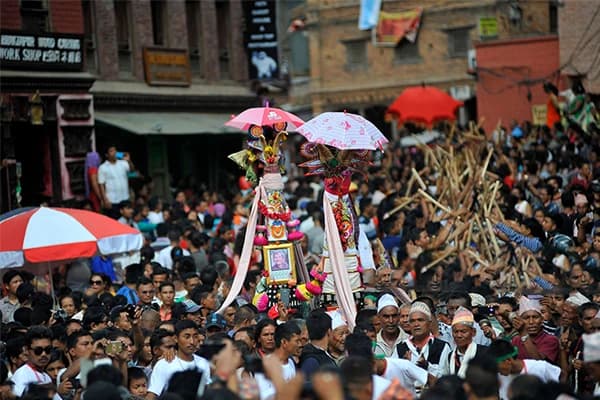
The park is important culturally too. It is home to the endangered wildlife and the cultural heritage of the local Sherpa community. The Sherpa are known for their warm hospitality, have the Tibetan-influenced rich culture, and follow the age-old traditions.
The Sherpa live in serene places like Namche Bazaar, Khumjung, and Tengboche. These places have landmarks that reflect the rich Sherpa culture, like Tengboche Monastery.
Geography & Landscapes
Sagarmatha National Park is in the Solukhumbu district of Nepal. Its elevation ranges from approximately 2,845 meters at Monjo village to 8,848.86 meters at the summit of Mount Everest, the highest place on the earth.
The park has extremely rugged terrain with steep, deeply incised valleys, rocky cliffs, and extensive glaciers. It includes the upper catchment areas of the Bhote Koshi, Dudh Koshi, and Imja Khola rivers.
Sagarmatha National Park has several major glaciers, including the Khumbu Glacier, Ngozumpa Glacier, Nangpa Glacier, and Imja Glacier.
You can also find glacial lakes like Gokyo Lake and Imja Tsho Lake. These glacial lakes were said to be formed in the recent decades due to the glacial melting.
The overall climate of the Sagarmatha National Park is subarctic. The average temperature ranges from about 12 degrees Celsius to 14 degrees Celsius. The park has distinct seasons with a rainy monsoon season from June to September and drier, clearer weather in spring and autumn, which are popular trekking seasons.
Trekking in Sagarmatha National Park
Trekking in the Sagarmatha National Park is a popular activity. It offers stunning views of the snowcapped peaks like Everest. The trekker’s favorite trekking trails include the Everest Base Camp trek, the Gokyo Lakes trek, and the Everest Three Passes trek.
- The Everest base camp trekking trail takes the trekkers to the 5,600 meters at Kala Patthar for panoramic views of Everest and surrounding peaks and valleys. The trek combines natural beauty with the cultural exposure to Sherpa life and Buddhist monasteries. It is called a moderate to challenging trek.
- The Everest Gokyo Lakes Trek is the sacred trek to the glacial lakes and offers breathtaking views, including Gokyo Ri at 5,357 meters. The initial route is the same as the Everest base camp short trek till Namche Bazaar. It is a challenging trek.
- The Everest Three High Pass Trek includes crossing the three high passes: Renjo La, Cho La, and Kongma La. It is an adventurous route and offers the adventurous circuit encompassing both the EBC and Gokyo Lake regions. Like the Gokyyo Lake trek, it is also a challenging trek.
The permits required for trekking in Sagarmatha National Park are the Sagarmatha National Park permit and the Khumbu Pasang Lhamu Municipality permit.
Other Adventure Activities
Besides trekking, the travelers visit here for several other activities, including mountaineering, helicopter tours, photography, and nature walks.
So, basically the trekking trails were established to ease or practice the hiking targeting the mountaineering skills. If there were no mountaineering, there also may not be trekking trails; who knows? The prime activity is mountaineering of the peaks like Mount Everest, Ama Dablam, Lhotse, and Taboche.
Those who cannot summit or have less time to trek often go on helicopter tours. Through this, Everest and the surrounding mountains can be admired from the air via helicopter or mountain flights.
Nature walks are also a loved activity that is not so adventurous but a healthy one. It is an opportunity to explore the serene and pristine landscapes of the Sagarmatha National Park beyond its challenging trekking routes.
For the extra adventure, the trekkers or the mountaineers choose to stay in the camp. Camping makes the journey more adventurous. There are lodges and teahouses available inside the park, but some take the camping as a unique experience.
Wildlife & Conservation
Mount Everest National Park is home to a diverse array of wildlife, including rare and endangered species such as the snow leopard, red panda, musk deer, Himalayan tahr, Himalayan black bear, and many small mammals.
The park also hosts over 200 bird species, like the Impeyan pheasant (Nepal's national bird), blood pheasant, and several eagles and vultures.
These species live in the park with great harmony. However, the serious concern arises as the trekking and other activities might be harming the harmony of the birds and wildlife in Sagarmatha National Park.
So, for the conservation of the park and the species within it, there is legal protection by the government under Nepal's National Parks and Wildlife Conservation Act.
There are several other challenges too, like tourism management, poaching, and climate change impact monitoring.
To mitigate this issue, the park administration works closely with the Nepali Army, local communities, and international partners. This step has been important in enforcing protection and continuing biodiversity conservation.
Travel Tips for First-Time Visitors
- Obtain the permits in advance. It can be obtained in Kathmandu or in Lukla.
- Spend extra days resting in places like Namche Bazaar or Dingboche to help your body adjust.
- Prepare yourself physically if you are going to trek and also be mentally prepared.
- Carry the trekking poles to aid in steep ascents and descents during the trekking.
- Respect the local cultures and customs.
- Always ask permission before taking pictures of the person or the idols.
- Wear layered clothes and plan accordingly for the season you are traveling in.
- Start trekking early in the day and plan for regular breaks.
- Pack light to avoid fatigue on difficult terrain.